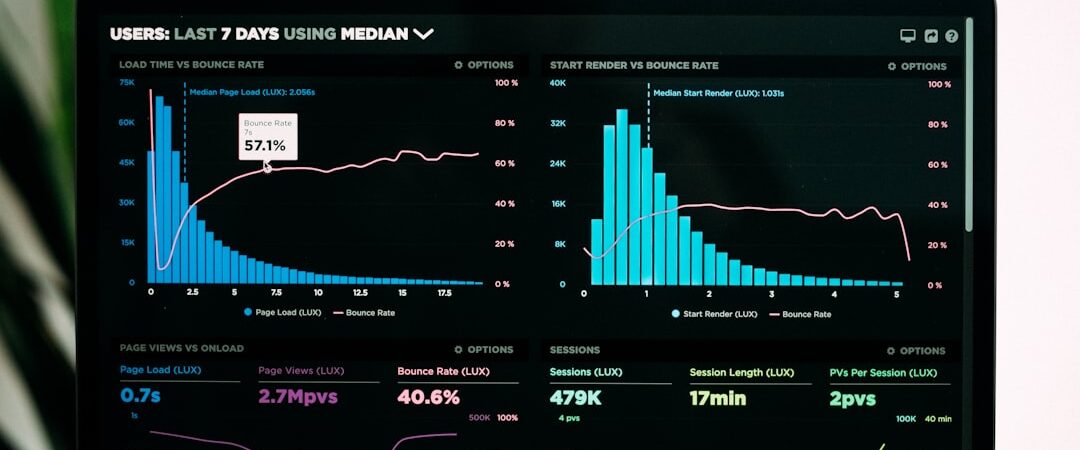
The uncomfortable truth about most “AI-powered” business software: it watches. It tracks inventory levels, flags payroll discrepancies, and alerts you to scheduling gaps. Then it hands the problem back to you. That’s not AI doing the work. That’s a dashboard with better PR.
Octane, which launched its AI operating system for convenience stores on August 14, is built around a different premise. Instead of surfacing an inventory shortfall or a cash-handling error, it resolves it. Pricing, stock replenishment, invoice reconciliation, labour scheduling, loss prevention — the system doesn’t report that these things need attention. It handles them, flags exceptions, and asks for human approval only when something genuinely warrants it.
Octane is built for US convenience stores specifically, so it isn’t a tool a Singapore SME would sign up for directly. What’s worth paying attention to is the category it represents: a meaningful shift from AI that reports problems to AI that resolves them, with a human reviewing exceptions instead of doing the base work.
The Reporting vs. Execution Gap
Most business software sold in the last decade — including most of the tools marketed as “AI-powered” — sits firmly in the reporting category. It ingests data, analyses patterns, and surfaces insights. The human still does the actual work: decides the reorder quantity, approves the schedule, updates the price, chases the invoice.
That gap between reporting and executing is where most of the labour actually sits. Being told your inventory is running low doesn’t save you any time if you still have to place the order, choose the supplier, and update the system yourself. The insight was free. The work was still yours.
Why This Category Matters More Than Any Single Product
The distinction worth carrying into any AI tool evaluation — Octane or otherwise — is the same one that applies across every category covered on this site: does the tool produce a report you still have to act on, or does it actually complete the task with a human only stepping in for exceptions? Vendors are increasingly aware that “AI-powered reporting” is table stakes now, which means the marketing language around execution versus reporting is getting less reliable, not more. Ask specifically: when the tool flags something, does it also fix it, or does it just tell you?
For a Singapore SME evaluating any inventory, scheduling, or reconciliation tool, that one question separates a genuine productivity gain from a slightly smarter alert system you still have to act on manually.
What the Practical Version of This Looks Like Here
You don’t need a convenience-store-specific platform to apply the underlying idea. Most SMEs running any kind of inventory, invoicing, or scheduling process have at least one workflow where the current “AI” tool tells them what’s wrong without fixing it. That’s the workflow worth auditing first: what does the tool currently report, and how much of that could be handled automatically with a human approval step, rather than a human doing the whole task from scratch.
Workflow automation built for execution rather than reporting is increasingly available at SME scale, not just for a convenience-store chain with venture funding behind it. Singapore’s SME AI adoption has roughly tripled in recent years, part of a digital economy IMDA’s 2025 Singapore Digital Economy Report puts at 18.6% of GDP — and the businesses getting the most out of that adoption are the ones asking whether their tools execute or just observe.
Enterprise Singapore’s Productivity Solutions Grant continues to co-fund automation tooling in this category — worth checking what the PSG grant covers before assuming execution-grade AI is priced beyond an SME budget.
Worth flagging: PSG closes to new applications on 29 September 2026, with the new EDGE Grant taking over from 30 September 2026 — factor that switchover into any funding timeline you are building around this now.
About the Author
Keith Kwai is an independent consultant helping Singapore SMEs with digital transformation and AI adoption. He has 25 years of marketing and digital experience across global MNCs including Motorola, Singtel, Creative Technology, Epson, and Scholastic International. He builds agentic AI systems — not just advises on them. Connect at keithkwai.com or LinkedIn.
Sources: Octane launch press release; IMDA Singapore Digital Economy Report 2025; Enterprise Singapore Productivity Solutions Grant (PSG) guidelines.